
- |
- 中文|
Institute of Intelligent Control and Unmanned Systems
·Directions and Faculties
Topics: Flapping-wing robotic aircraft, intelligent control, human-computer interaction, unmanned aerial vehicle (UAV) control, computer vision, deep learning
Leading Proferssor: Wei He
Prof. He serves as the dean of the Institute of Artificial Intelligence, and the vice dean of the School of Automation and Electrical Engineering of University of Science and Technology Beijing. Prof. He is the winner of Leading Talent in Science and Technology Innovation in the Ten Thousand Talents Program, Young Yangtze River Scholar of the Ministry of Education, Young and Middle-aged Leading scientists, engineers and innovators of the Ministry of Science and Technology, Principle Investigator Excellent Youth Science Fund Project of National Natural Science Foundation of China , and Clarivate Analytics Global Highly Cited Scientist. He is the first-prize winner of Wu Wenjun Artificial Intelligence Natural Science Prize in 2019, the Young Scientist Award of Chinese Association of Automation (CAA) in 2019, Most Influential International Academic Hundred Papers of China in 2019, the Wiener Review Award in 2019, the first prize of Natural Science Prize of Chinese Association of Automation (CAA) in 2017, and the Andrew P. Sage Best Transactions Paper Award in 2017. He has published more than 100 academic papers, and obtained 10000+ “Google Scholar” citations. He is serving as an Associate Editor/Guest Editor of several academic journals, including IEEE Transactions on Robotics, IEEE Transactions on Neural Networks and Learning Systems, IEEE Transactions on Control Systems Technology, IEEE Transactions on Systems, Man, and Cybernetics: Systems, SCIENCE CHINA Information Sciences, etc.

Prof. He Wei
·Research
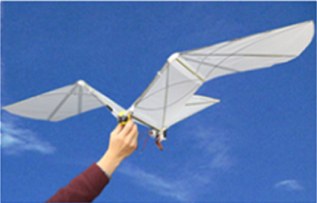
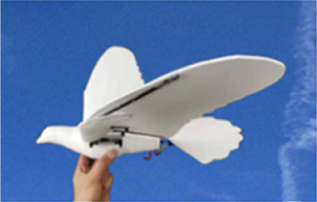
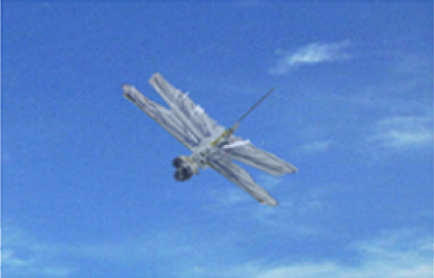
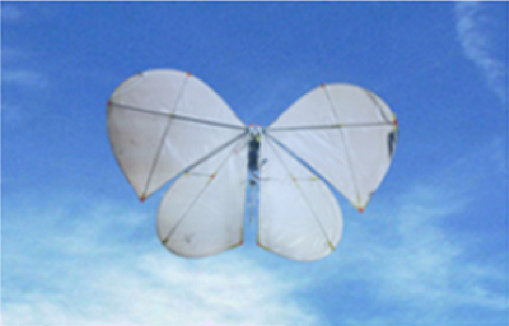
Bionic Flapping Wing Aircraft
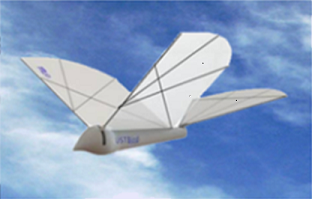
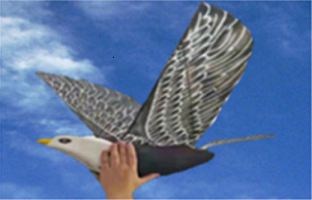
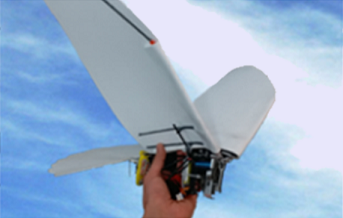
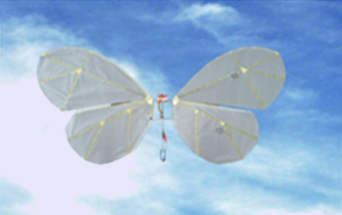
The bionic flapping wing aircraft is a frontier topic in the field of aircraft research. Besides, it integrates hovering, propulsion flight and flight control into a flapping wing system. Bionic flapping wing robots need less power than ordinary aircraft at low speed with better performance. The driving mechanism is generally composed of frame, input rod, left and right wing rod and connecting rod. The input rod is connected with the electric motor. The connecting rod links the input rod to the left and right wing rods, which drive wings to flutter. With the development of MEMS technology, aerodynamics and new materials, flapping wing aircraft is becoming more and more intelligent and miniaturized, which makes it more significant in practice.
Publications, Projects and Academic Activities
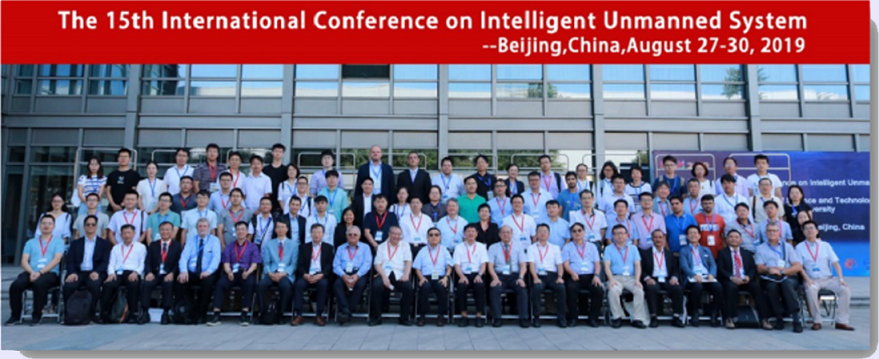
More than 30 papers on bionic flapping wing aircraft have been published, including more than 10 papers published in SCI journals. An English academic monograph and one Chinese academic monograph about bionic flapping wing aircraft have been published. More than 20 national invention patents have been applied for or authorized. The team led the establishment of IEEE SMC Autonomous Bionic Robotic Aircraft Technical Committee (TC-ABRA). From August 27 to 30, 2019, the team held the 15th International Conference on Intelligent Unmanned Systems (ICIUS). Eight types of Bionic Flapping Wing aircrafts have been developed, which can be used in military reconnaissance, science and education, bird and pest control and other tasks. All of the above aircrafts has been test in real-world scenarios.
Intllegent Control
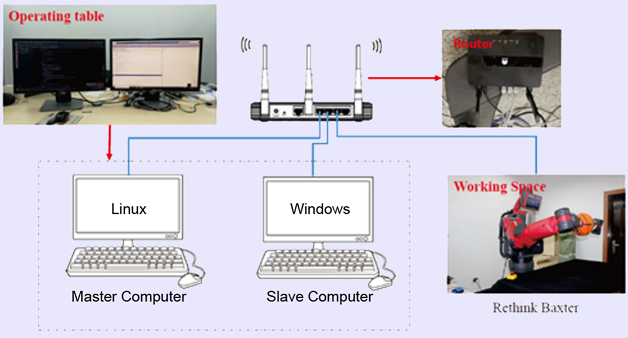
Intelligent control technology is the development of traditional control technology. In recent years, with the development of artificial intelligence theory and computer technology, intelligent control technology has developed rapidly mainly in intelligent decision-making, learning control, expert control, neural control, intelligent planning and vision and other control fields. The application of intelligent control technology in robot field is one of the main directions of robot technology development. In the aspect of robot motion control, intelligent control technology can identify obstacles, effectively plan the robot's motion path. Intelligent control can help robots improve the speed and accuracy of the robot, and realize the memory function and learning function. Intelligent control technology can not only expand the functions of robot, but also make human-computer interaction more humanized and intelligent. Intelligent control also plays an important role in multi-robot cooperation.
Vibration Control of Flexible Structures
Compared with traditional rigid structures, flexible structures have the advantages of easy integrated processing, simple structure, simple operation and good impact resistance. It has been widely used in the fields of industry, ocean, aerospace and robot. With the development of bionics, flexible structures will be more widely used in the future. However, the interference in the environment will make the flexible structures produce unnecessary vibration, which affects the performance of the flexible structures, and even leads to premature aging of the system. Generally, the flexible structures are modeled by partial differential equations. Therefore, it has important theoretical significance and practical value to control the vibration of flexible structures.
Publications, Projects
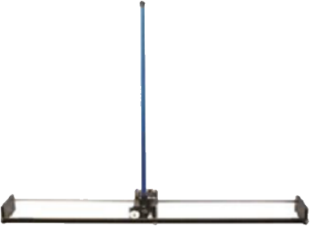
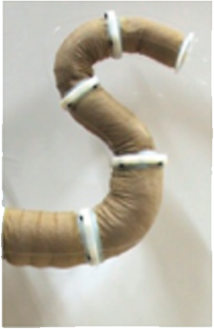
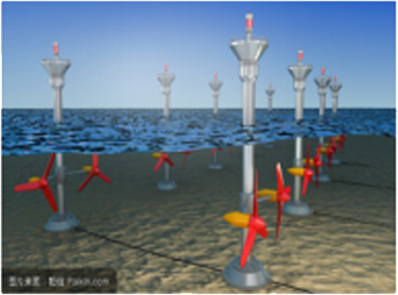
Based on the physical characteristics of flexible structures used in daily and special industries, the team carried out vibration control design. For example, the vibration control of flexible inverted pendulum and intelligent flexible structure, the application of flexible structure in marine thermal energy conversion system, the unique application of flexible robot and flexible structure in bionics. More than 150 journal papers have been published or employed, including more than 50 journal papers in one district. One English monograph has been published. More than 10 national invention patents have been applied or authorized.
